
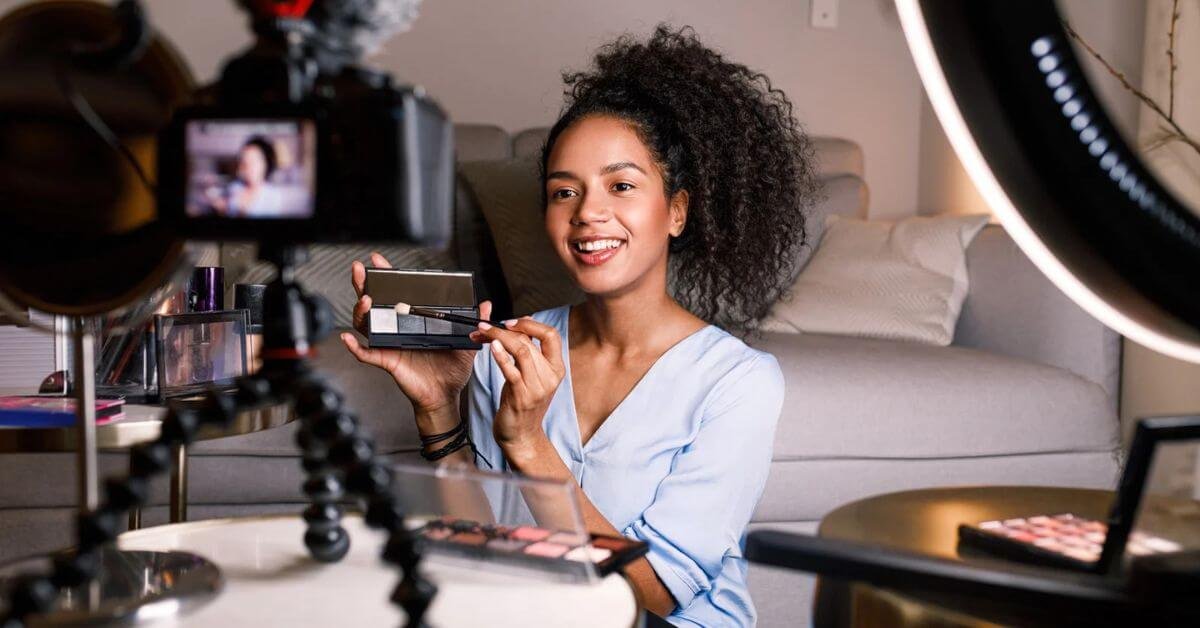
Many aspiring content creators believe they need the latest smartphone to produce professional-looking videos. While newer devices often include improved cameras and advanced features, upgrading your phone is not always necessary. In fact, many creators can dramatically improve their video quality by optimizing their setup and filming techniques rather than investing in a new device.
One of the most effective ways to improve video quality is to use your phone’s rear camera whenever possible. Rear cameras typically offer better image sensors, sharper lenses, and superior low-light performance compared to front-facing cameras. This results in clearer footage, better color accuracy, and improved overall image quality. For vloggers and solo creators, using accessories that allow real-time monitoring can make it easier to frame shots accurately while taking advantage of the rear camera’s superior performance.
Lighting is another factor that has a major impact on video quality. Even the most expensive smartphone camera can struggle in poor lighting conditions. Natural daylight is often the best option, especially when filming near a window or outdoors during the morning or late afternoon. If natural light is unavailable, an affordable LED light can significantly improve image clarity, reduce noise, and create a more professional appearance.
Audio quality is equally important. Viewers are often more willing to tolerate average video quality than poor sound. Consider using an external microphone, whether it’s a wired lavalier mic, a wireless microphone system, or a compact shotgun microphone. Clear audio helps maintain audience engagement and enhances the overall viewing experience.
Proper camera positioning can also make a noticeable difference. Place your camera at eye level whenever possible and avoid extreme angles. Using a tripod or stable mount helps eliminate shaky footage and creates a more polished result. Consistent framing and composition contribute to a professional appearance that viewers immediately recognize.
Additionally, take advantage of your phone’s built-in camera settings. Recording at higher resolutions and frame rates, adjusting exposure when needed, and keeping your camera lens clean can all improve image quality without spending any additional money.
Finally, remember that great content often matters more than expensive equipment. Many successful creators built large audiences using basic smartphones by focusing on storytelling, creativity, and consistency. By improving your lighting, audio, composition, and workflow, you can produce noticeably better videos without purchasing a new smartphone.
Before upgrading your device, consider optimizing the tools you already have. A few small improvements to your filming setup can often deliver results that rival those of a brand-new phone.